

Social Media and Under-15s: Research Questions the Limits of a Ban
Research questions the effectiveness of a ban on social media for children under 15 without systemic regulation or age verification.
Read moreabout Social Media and Under-15s: Research Questions the Limits of a Ban
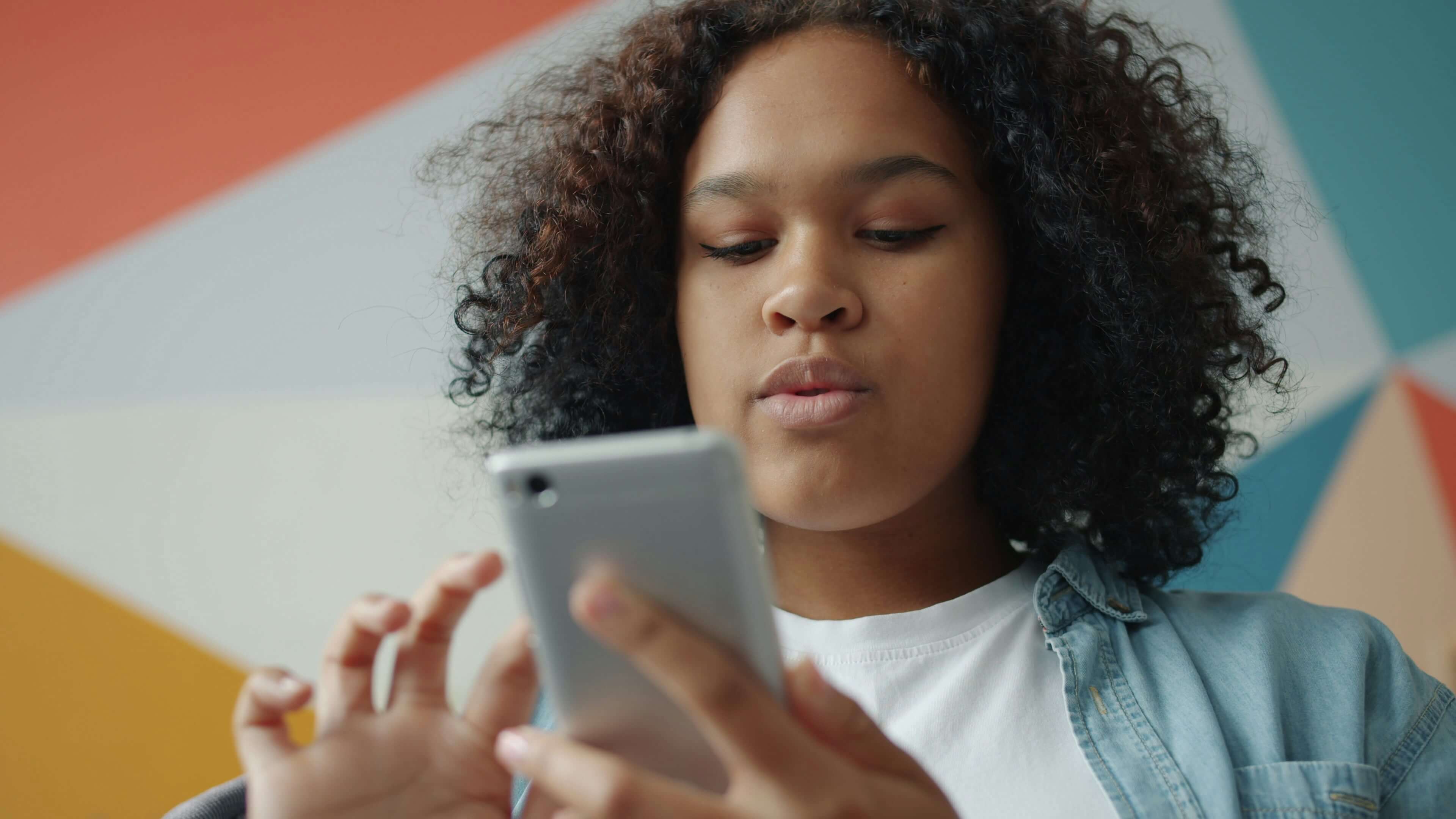
Les lycées français bientôt sans smartphone dès septembre 2026
Le gouvernement français annonce l'interdiction des smartphones dans les lycées dès septembre 2026, bien que le texte de loi ne soit pas encore voté.
Read moreabout Les lycées français bientôt sans smartphone dès septembre 2026
Different types of screens do not have the same impact on adolescent well-being
A Quebec study of 58,472 adolescents reveals that the effects of screens on well-being vary according to the type of digital activity practiced.
Read moreabout Different types of screens do not have the same impact on adolescent well-being

Screens and Adolescent Mental Health: A More Nuanced Relationship Than Expected
A British study of 25,000 adolescents challenges the direct causal link between screen time and mental health, advocating for a more holistic approach to the determinants of adolescent distress.
Read moreabout Screens and Adolescent Mental Health: A More Nuanced Relationship Than Expected

Neuroscience and ADHD: Towards a More Precise Diagnosis of Attention Disorders
Neuroscience identifies specific mechanisms of attention to refine the diagnosis and management of ADHD, revealing the immaturity of attentional processes during adolescence.
Read moreabout Neuroscience and ADHD: Towards a More Precise Diagnosis of Attention Disorders

Screen Time and Youth Well-being: A Canadian Study
A Statistics Canada longitudinal study reveals that only 14% of young Canadians meet screen time recommendations, with measurable impacts on their well-being, mental health, and academic performance.
Read moreabout Screen Time and Youth Well-being: A Canadian Study

Smartphone Deprivation and Brain Activity: A Study Reveals Markers of Addiction
A study analyzes brain changes in 25 young adults deprived of their smartphones for 72 hours, revealing neurological reactions similar to those observed in other forms of addiction.
Read moreabout Smartphone Deprivation and Brain Activity: A Study Reveals Markers of Addiction

Meta and Google’s unprecedented conviction sends shivers through Silicon Valley
A Los Angeles court has found Meta and Google liable for a teenager's social media addiction, a first in the United States that could pave the way for thousands of other lawsuits.
Read moreabout Meta and Google’s unprecedented conviction sends shivers through Silicon Valley
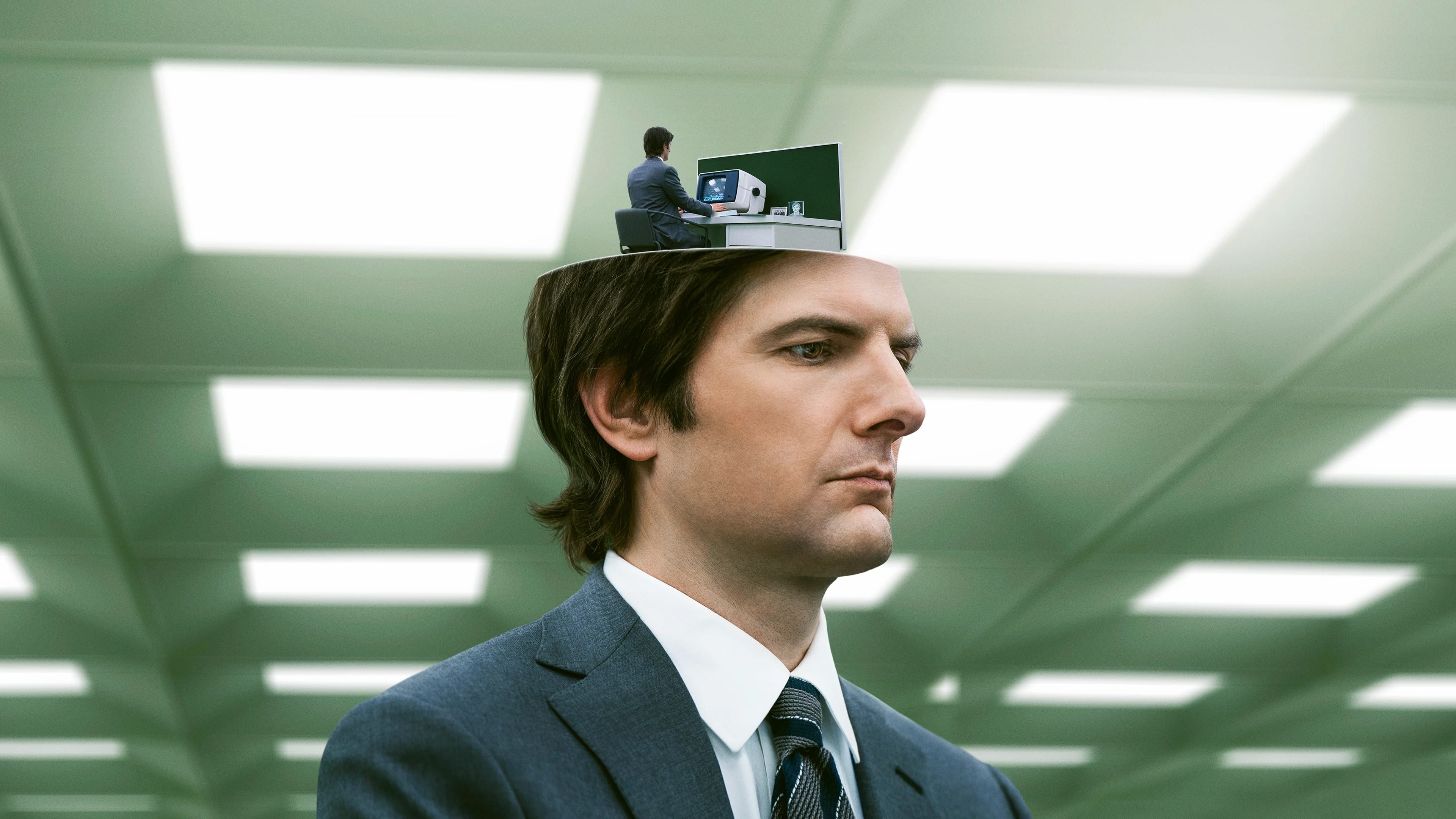
Sedentary lifestyle, fourth leading cause of death worldwide according to WHO
Alexandre Dana and Victor Fersing analyze the effects of a sedentary lifestyle in La chaise tue (The Chair Kills). The WHO ranks it as the fourth leading cause of global mortality and the primary preventable factor.
Read moreabout Sedentary lifestyle, fourth leading cause of death worldwide according to WHO