
Disconews
Blog
To stay "connected".
Screens and sleep: the effects of blue light and digital curfew
The National Institute of Sleep and Vigilance explains how blue light from screens and nighttime digital activity disrupt sleep, and suggests measures such as a digital curfew.
Read moreabout Screens and sleep: the effects of blue light and digital curfew

The measurable effects of screens on the developing brain
A neurosurgeon examines scientific studies documenting the measurable effects of intensive screen use on young people's brain development, particularly regarding language, attention, and social skills.
Read moreabout The measurable effects of screens on the developing brain

Impact of screens on children's vision: what the research says
Childhood myopia has doubled in 20 years. An optometrist explains why screens threaten young people's vision and how to protect their developing eyes.
Read moreabout Impact of screens on children's vision: what the research says
Cutting down your smartphone use by one hour a day: a difficult but beneficial challenge
A study by Brest University Hospital shows that 75% of participants fail to reduce their daily smartphone use by one hour, while the 25% who succeed increase their physical activity by 800 steps.
Reducing screen time: a study from Brest measures effects on physical activity
A study by Brest University Hospital shows that reducing smartphone use by one hour per day increases physical activity by 800 steps daily, but 75% of participants failed to meet this challenge.
Read moreabout Reducing screen time: a study from Brest measures effects on physical activity
How do parents apply the "no screens before age 6" rule in their daily lives?
Parents share their experience applying the "no screens before age 6" rule: between strong convictions, daily compromises, and alternatives such as reading or podcasts.
Read moreabout How do parents apply the "no screens before age 6" rule in their daily lives?

- 0 commentson Mobile phones banned in high schools: students and teachers wonder about implementation
Mobile phones banned in high schools: students and teachers wonder about implementation
The ban on cell phones in high schools will come into effect at the start of the new school year in September. Students and teachers are concerned about the feasibility of this measure, as phones have become central to daily teaching practices.
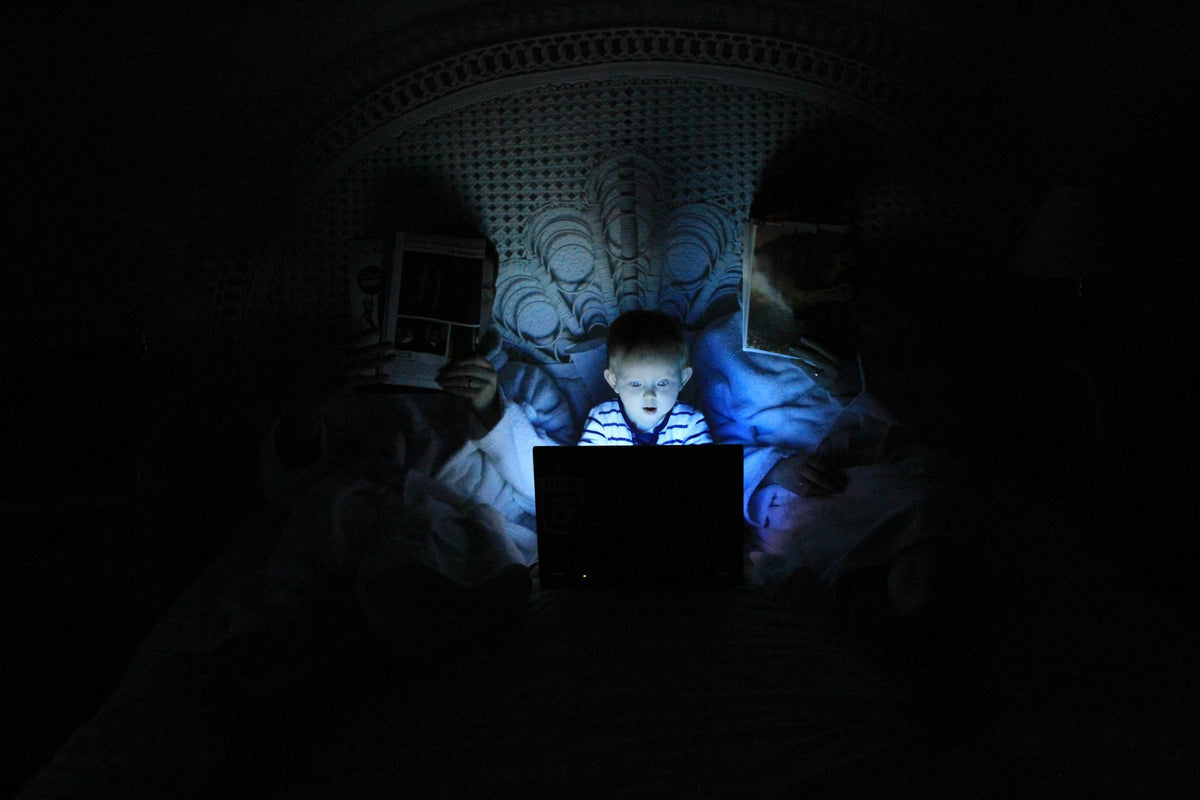
Screens and Children's Mental Health: A Two-Way Relationship
A meta-analysis of 300,000 children reveals a bidirectional relationship between screen time and mental health: excessive use leads to disorders, but children experiencing difficulties also turn to screens more often.
Read moreabout Screens and Children's Mental Health: A Two-Way Relationship

Smartphone impacts on health: fatigue, posture, and disconnection
The Santé Travail health service details the risks associated with intensive smartphone use: visual fatigue, sleep disturbances, musculoskeletal pain, and road distractions.
Read moreabout Smartphone impacts on health: fatigue, posture, and disconnection