
Disconews
Blog
To stay "connected".
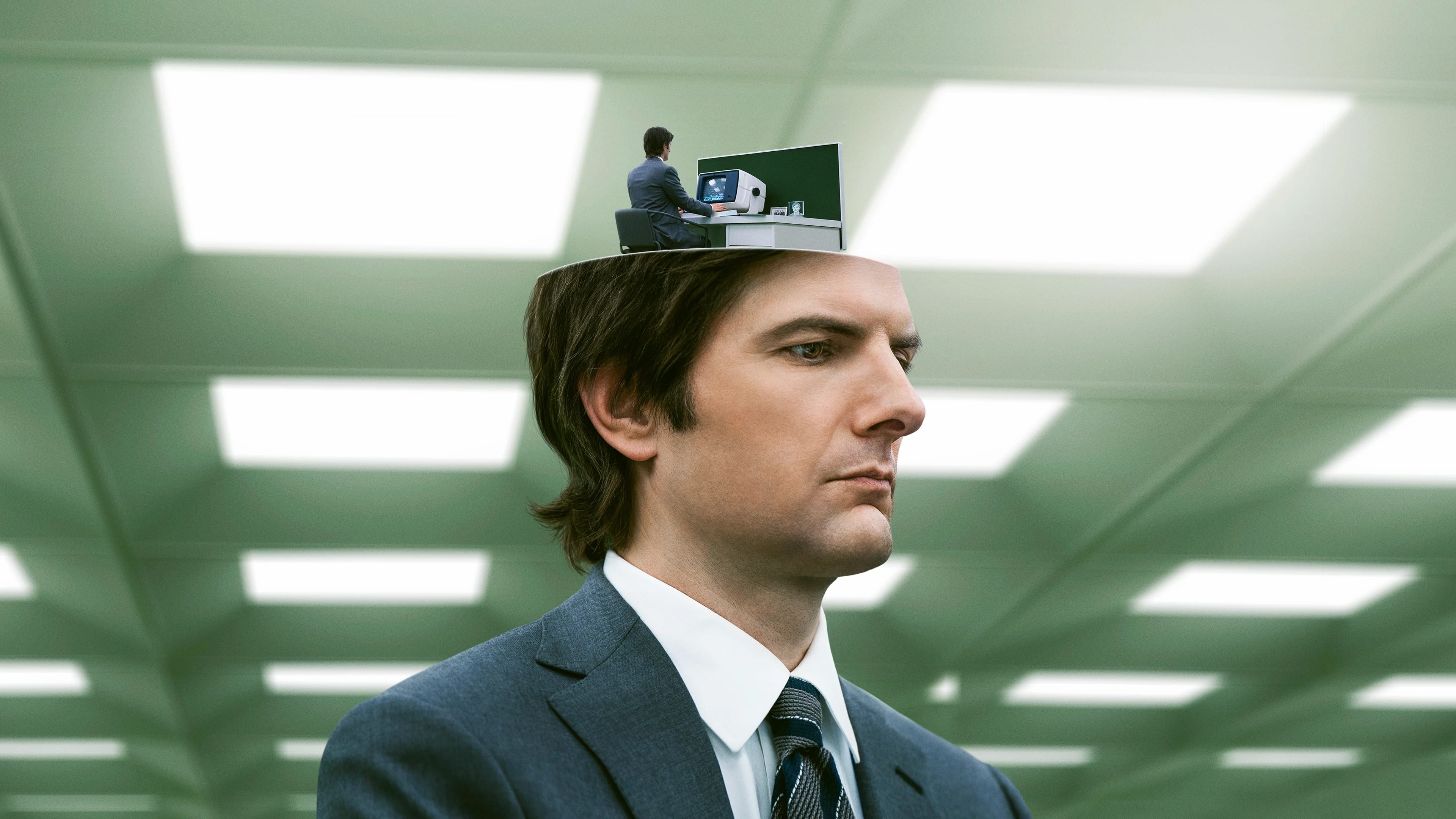
Sedentary lifestyle, fourth leading cause of death worldwide according to WHO
Alexandre Dana and Victor Fersing analyze the effects of a sedentary lifestyle in La chaise tue (The Chair Kills). The WHO ranks it as the fourth leading cause of global mortality and the primary preventable factor.
Read moreabout Sedentary lifestyle, fourth leading cause of death worldwide according to WHO

Film students struggle to watch an entire film
An American study reveals that film students struggle to watch entire films, a phenomenon linked to changing media habits and the intensive use of social networks.
Read moreabout Film students struggle to watch an entire film

Digital break: a well-known concept in France, but still a marginal practice.
A study reveals that 76% of French people are familiar with the digital break, but only 19% have actually taken it, despite perceived benefits on well-being and sleep.
Read moreabout Digital break: a well-known concept in France, but still a marginal practice.

Digital addiction among teenagers in Italy: 100,000 young people at risk
The Italian National Institute of Health reveals that 100,000 teenagers are at risk of social media addiction. Experts favor an educational approach over outright bans.
Read moreabout Digital addiction among teenagers in Italy: 100,000 young people at risk
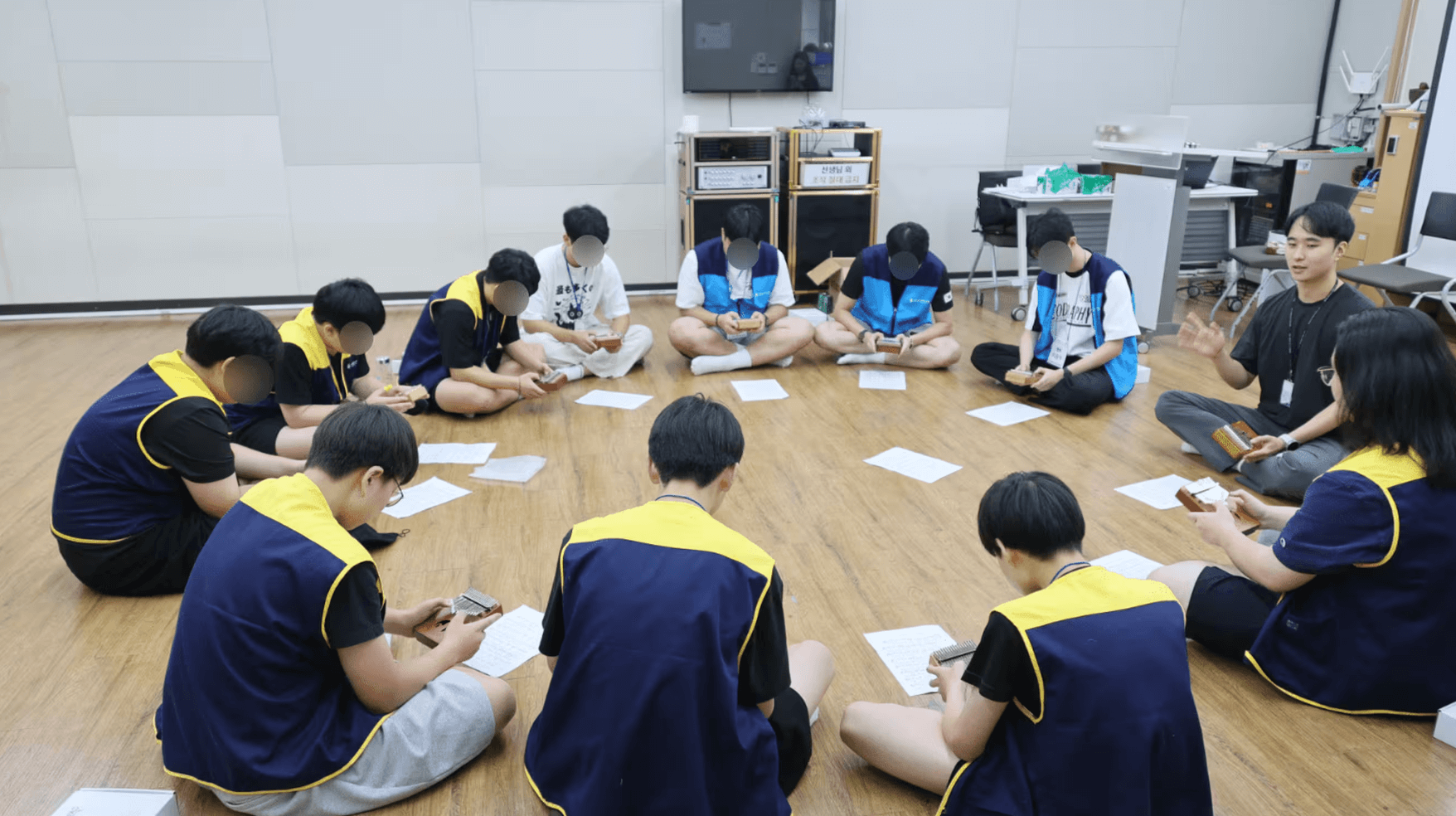
South Korea: A digital detox center for increasingly younger teenagers
A South Korean digital detox center welcomes teenagers addicted to online gaming, social media, and pornography every month. Faced with the phenomenon affecting younger children, the center is preparing to open its programs to children as young as 10.
Read moreabout South Korea: A digital detox center for increasingly younger teenagers

A documentary explores emotional manipulation in the age of social media.
The documentary "Can't Feel Nothing" explores how internet companies manipulate our emotions, through portraits of trolls, influencers and creators of fake news around the world.
Read moreabout A documentary explores emotional manipulation in the age of social media.

Australia's ban on social media: a model for the whole world?
Australia has banned access to social media for those under 16. This unprecedented measure, closely watched by the world, reveals the complex challenges of protecting young people in the digital age.
Read moreabout Australia's ban on social media: a model for the whole world?

The Ministry of National Education regulates the use of digital technology in schools
The Ministry of National Education is implementing four measures to regulate the use of digital technology in schools: training for students, the right to disconnect, mobile phone breaks and support for families.
Read moreabout The Ministry of National Education regulates the use of digital technology in schools

Social networks and phones: a legislative turning point for teenagers
Members of Parliament recently adopted a bill aimed at limiting access to social networks for those under 15 and regulating phone use in high schools.
This decision confirms a collective awareness of the impact of digital technology during school hours.
For institutions, the challenge now is to implement these rules in a simple, consistent and calm manner.
Read moreabout Social networks and phones: a legislative turning point for teenagers