

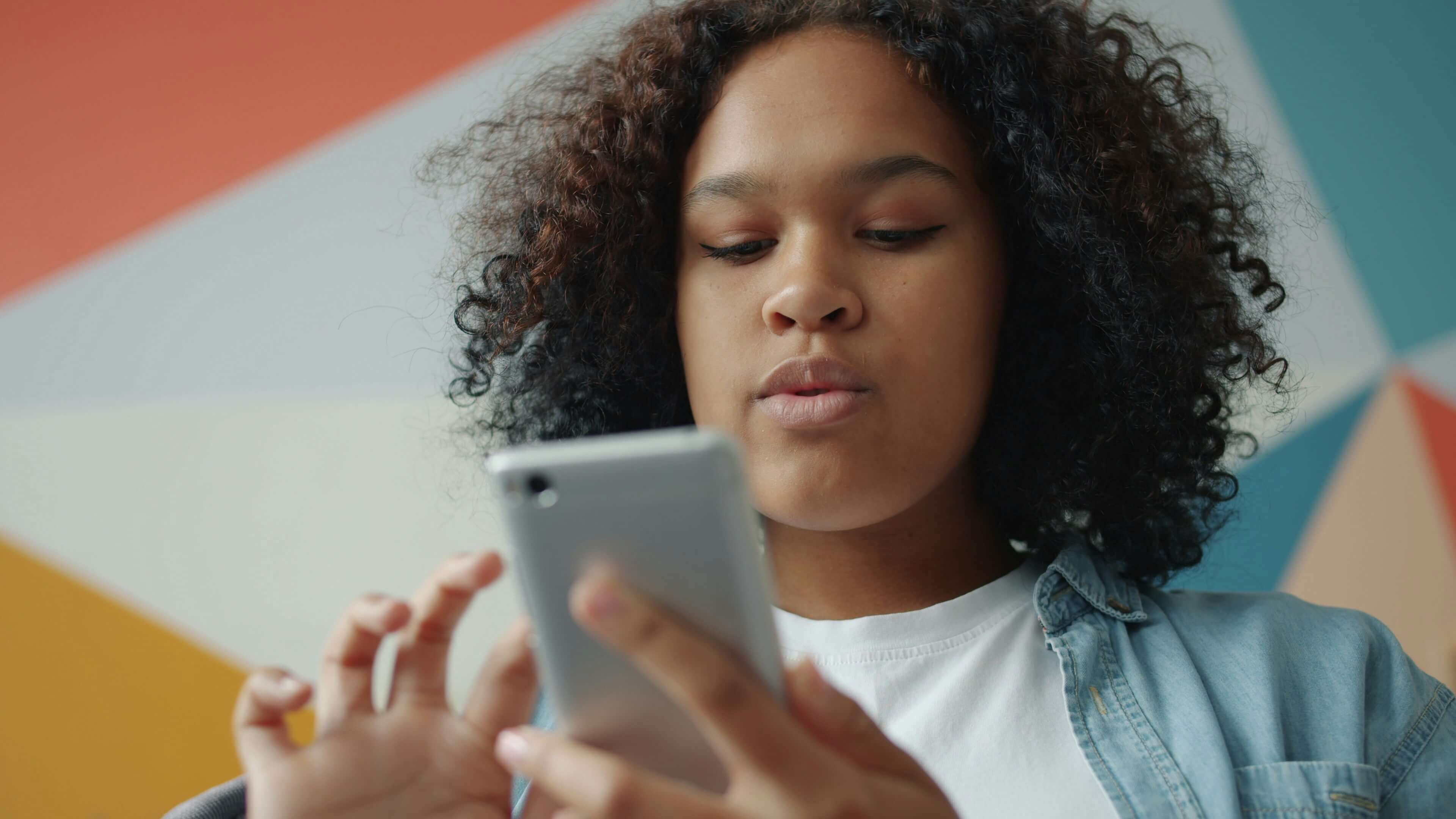
The Minister of National Education, Édouard Geffray, announced on June 17 the extension of the ban on mobile phones to high schools starting September 1, 2026. This measure, which already applied to primary and middle schools, aims to create a more conducive learning environment and reduce digital distractions.
Stated objectives
The ministry justifies this decision with several objectives: limiting distractions related to notifications, combating cyberbullying, and protecting the mental health of young people from the pressure of social networks. The ban would apply throughout the school premises, including classrooms, common areas, and dining halls.
Uncertain implementation
Despite the announcement, the bill has not yet been passed by Parliament. However, school administrations must prepare for the new academic year and modify their internal regulations without guarantee of the text's adoption. Several logistical challenges arise:
- Daily storage of hundreds of devices
- Control procedures and sanctions
- Management of pedagogical exceptions and for students with disabilities
Scientific clarifications
The High Council of Public Health and the WHO remind us that addiction concerns interactive content (social networks, games) and their engagement mechanisms more than the screen itself.
For a complete analysis of the issues and implementation procedures, please consult the original article.
Source: Smartphone ban in high schools: what changes from September 1, 2026
This summary aims to be transparent and neutral. Disconnecto acts here as an observer of the digital landscape, without taking a position. We invite you to consult the original source for a complete reading.
Share:
Different types of screens do not have the same impact on adolescent well-being
Social Media and Under-15s: Research Questions the Limits of a Ban